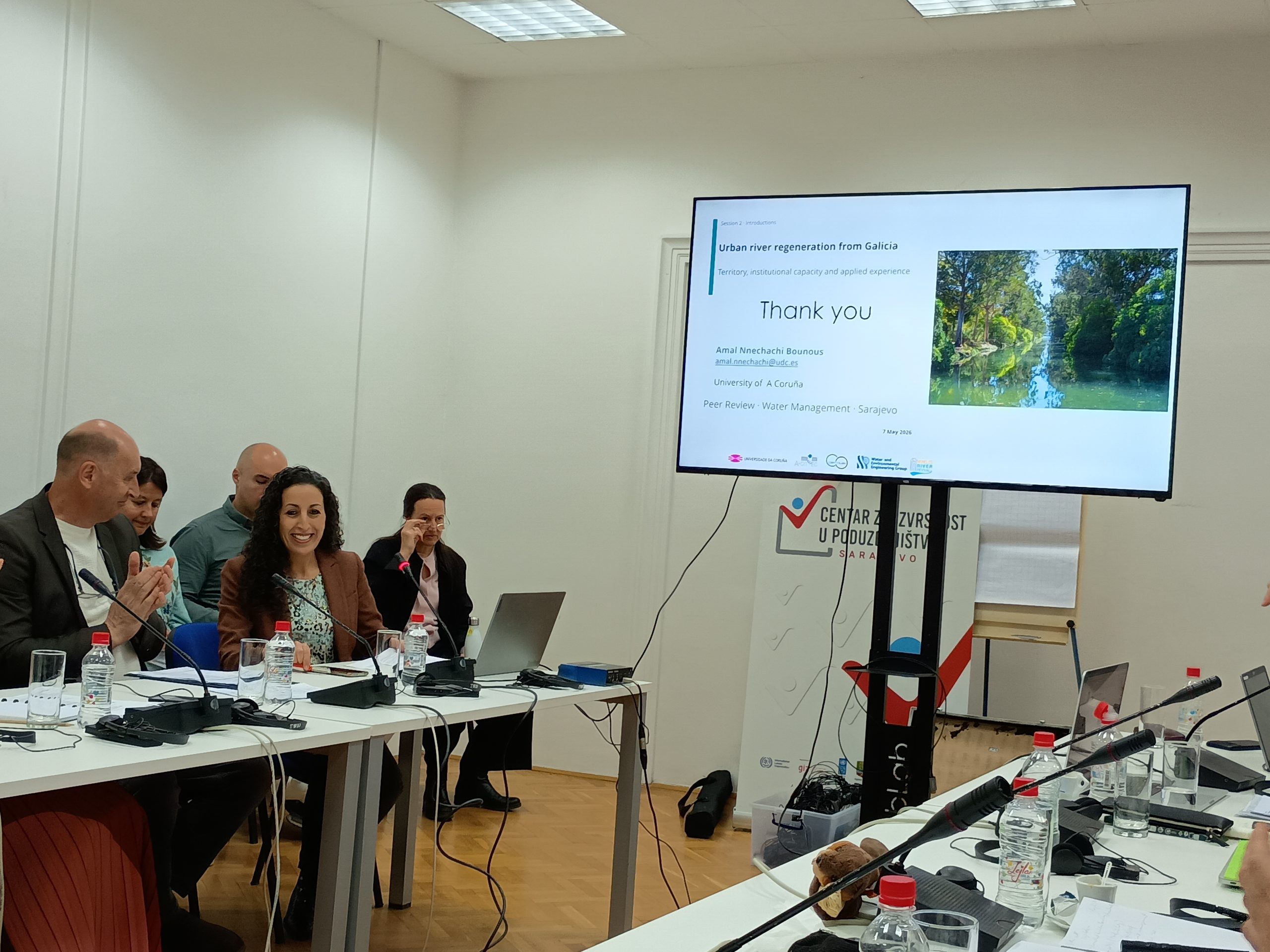
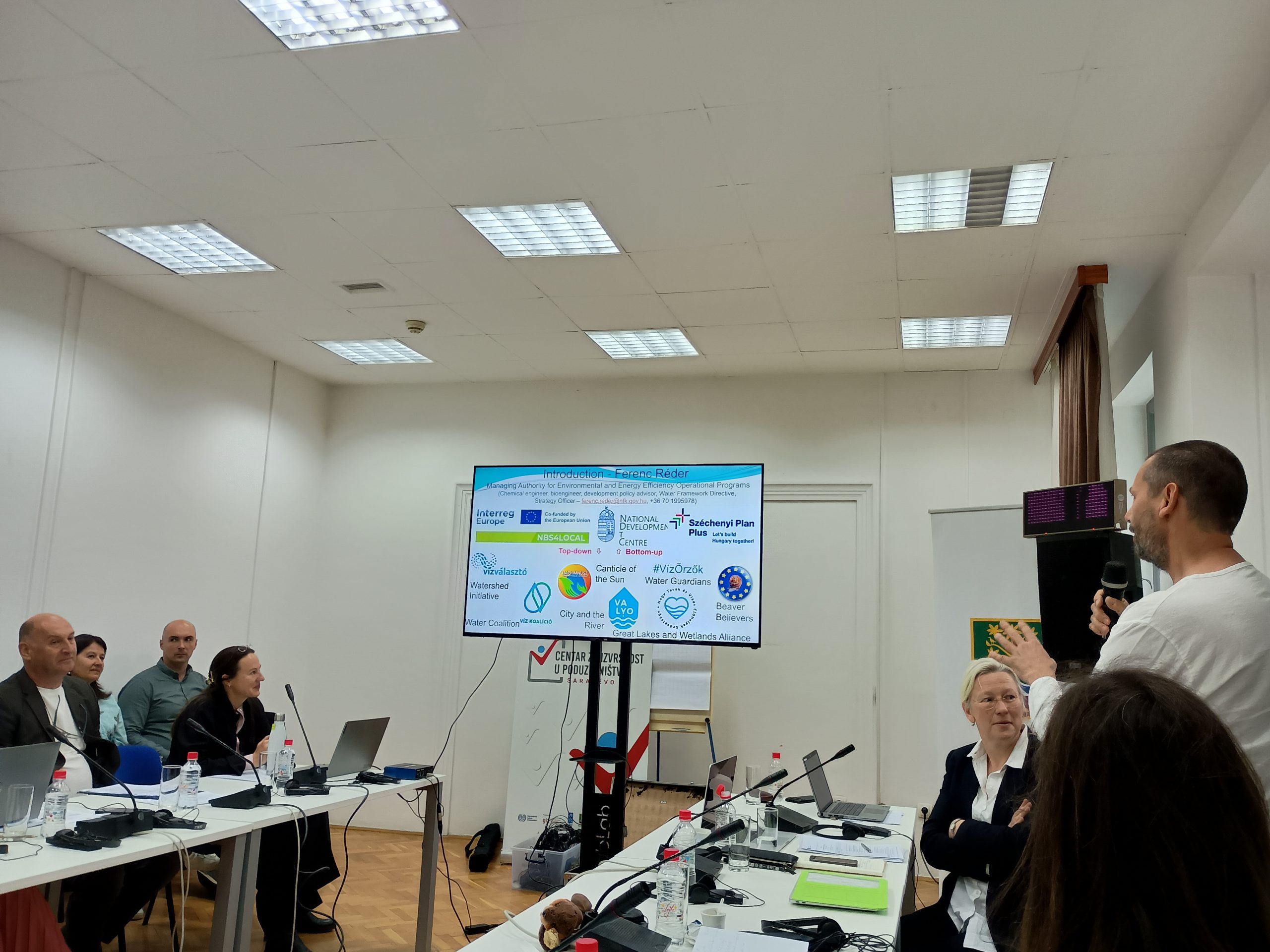
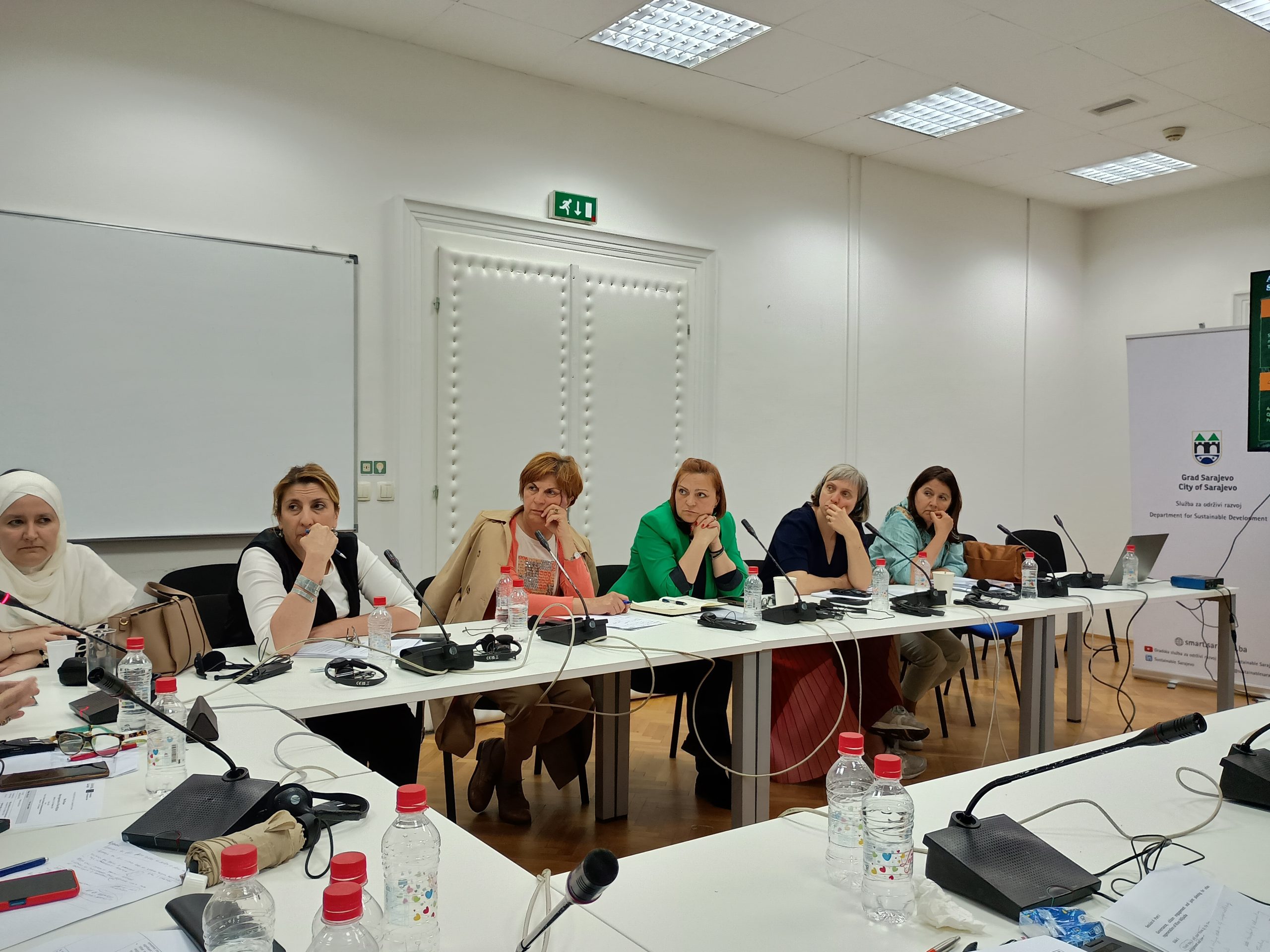
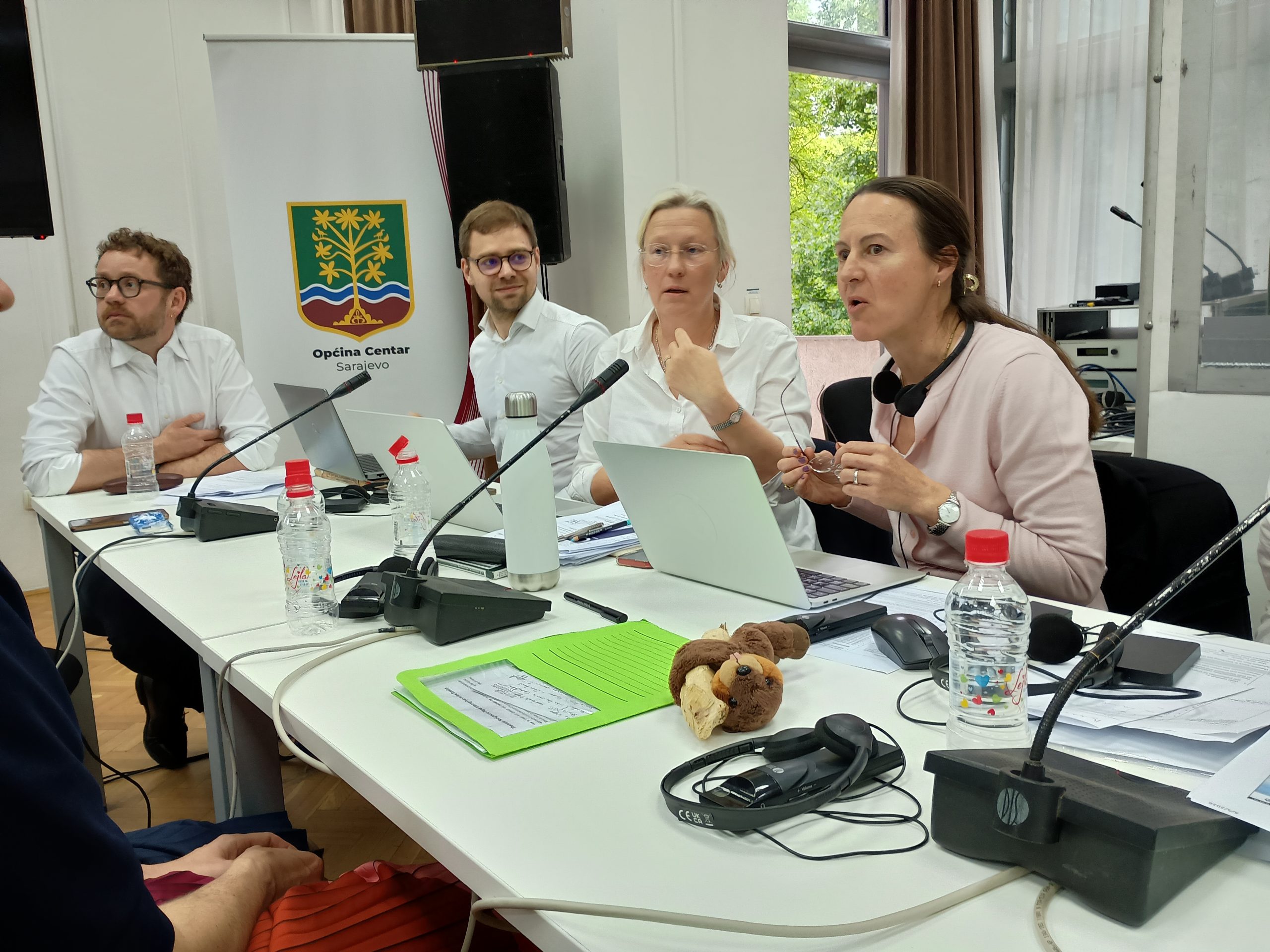
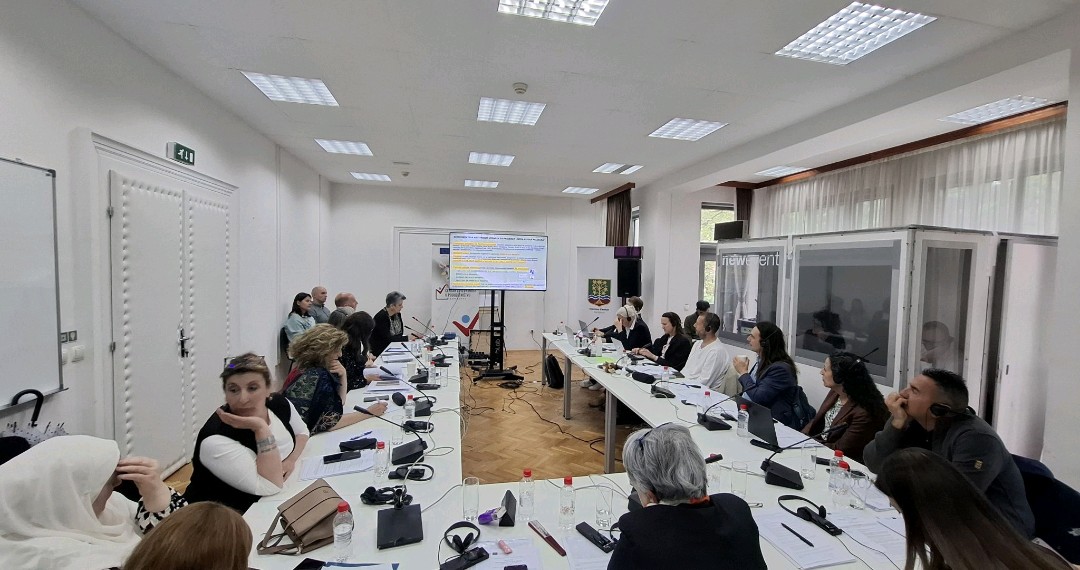
There are professional experiences that remain important for the quality of the work itself, and others that leave a deeper mark because they connect with something personal. The Peer Review on the Reurbanisation of the Miljacka River, organized by Interreg Europe together with City of Sarajevo on May 7–8, was definitely both.
For two intense and inspiring days, Sarajevo became a space for dialogue, ideas, and shared visions on urban regeneration. Experts from different countries and professional backgrounds gathered to reflect on the future of the Miljacka River and on how urban spaces can become more inclusive, sustainable, and connected to the identity of the communities that live around them.
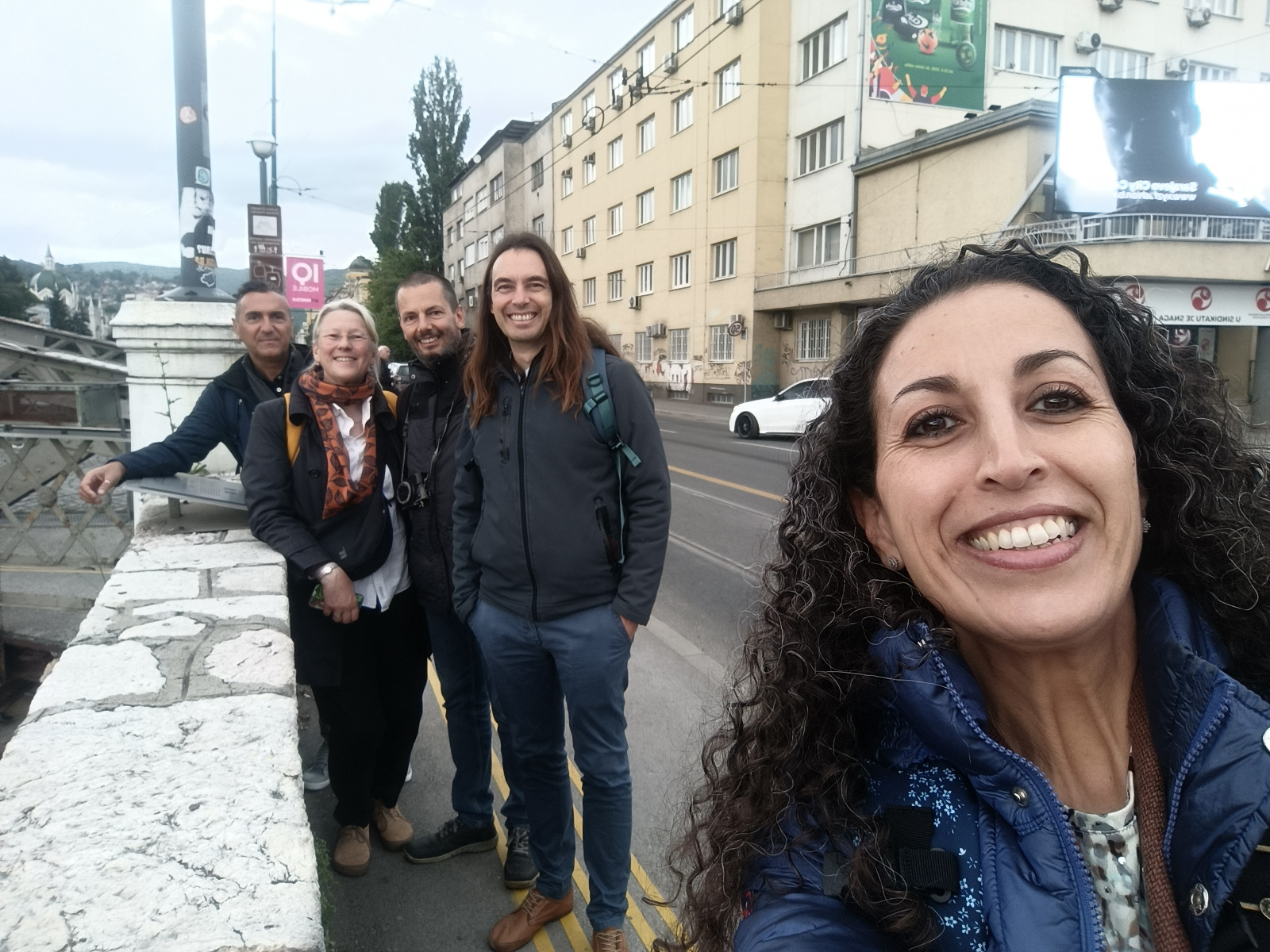
What made this experience truly special was not only the high quality of the discussions, but also the extraordinary group of experts involved in the Peer Review. The atmosphere was open, collaborative, and intellectually stimulating from the very first moment. Different perspectives, experiences, and sensitivities came together naturally, creating a genuine exchange of knowledge and ideas. It is rare to find such a strong combination of professionalism, human connection, and shared passion for cities and their future.
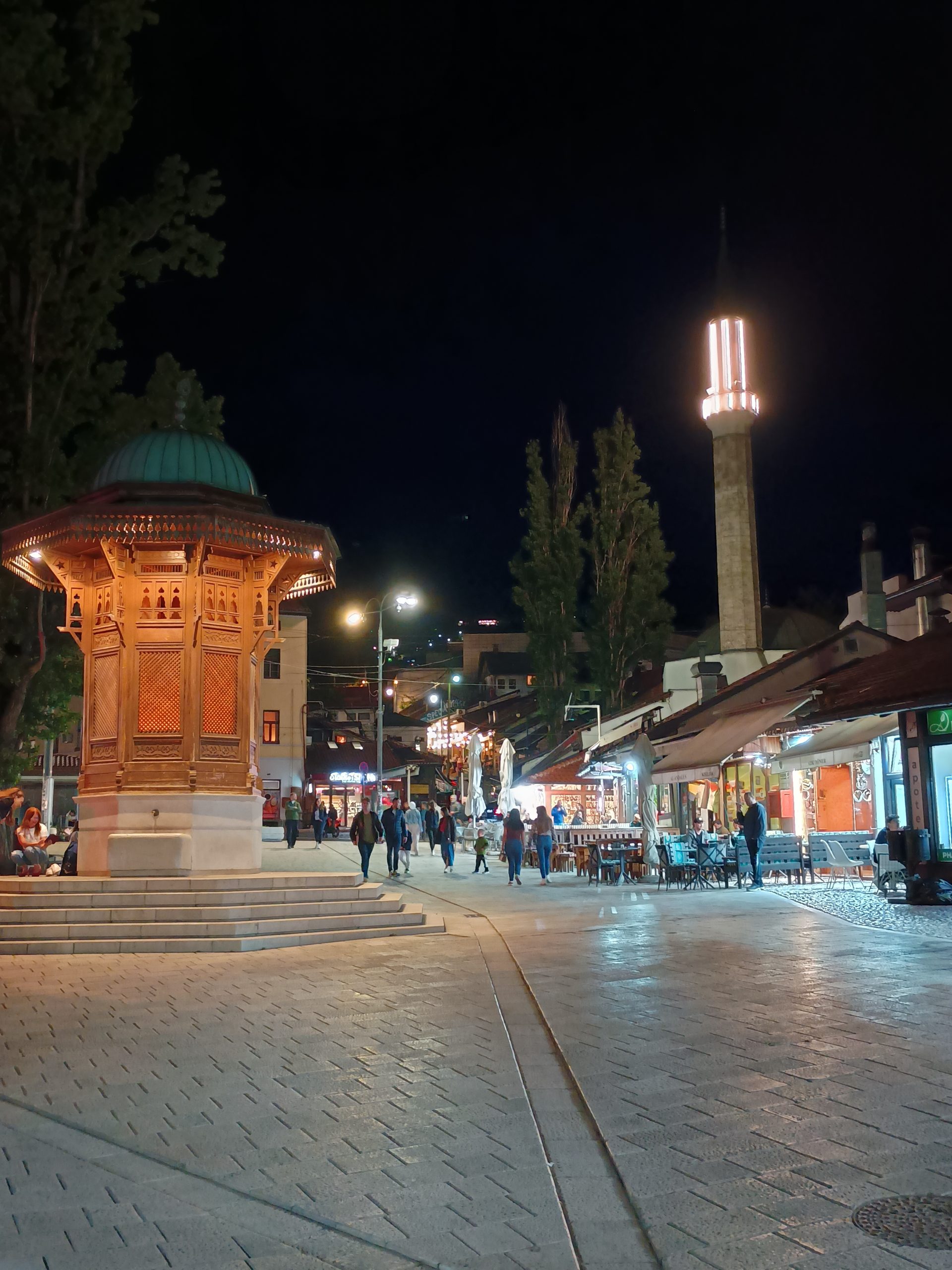
For me personally, Sarajevo always represents something more than a destination or a case study. It is a city that I deeply admire and feel emotionally connected to. Its history, resilience, multicultural soul, and unique energy have always inspired me. Sarajevo has the rare ability to preserve memory while constantly looking forward, transforming complexity into identity and diversity into strength.
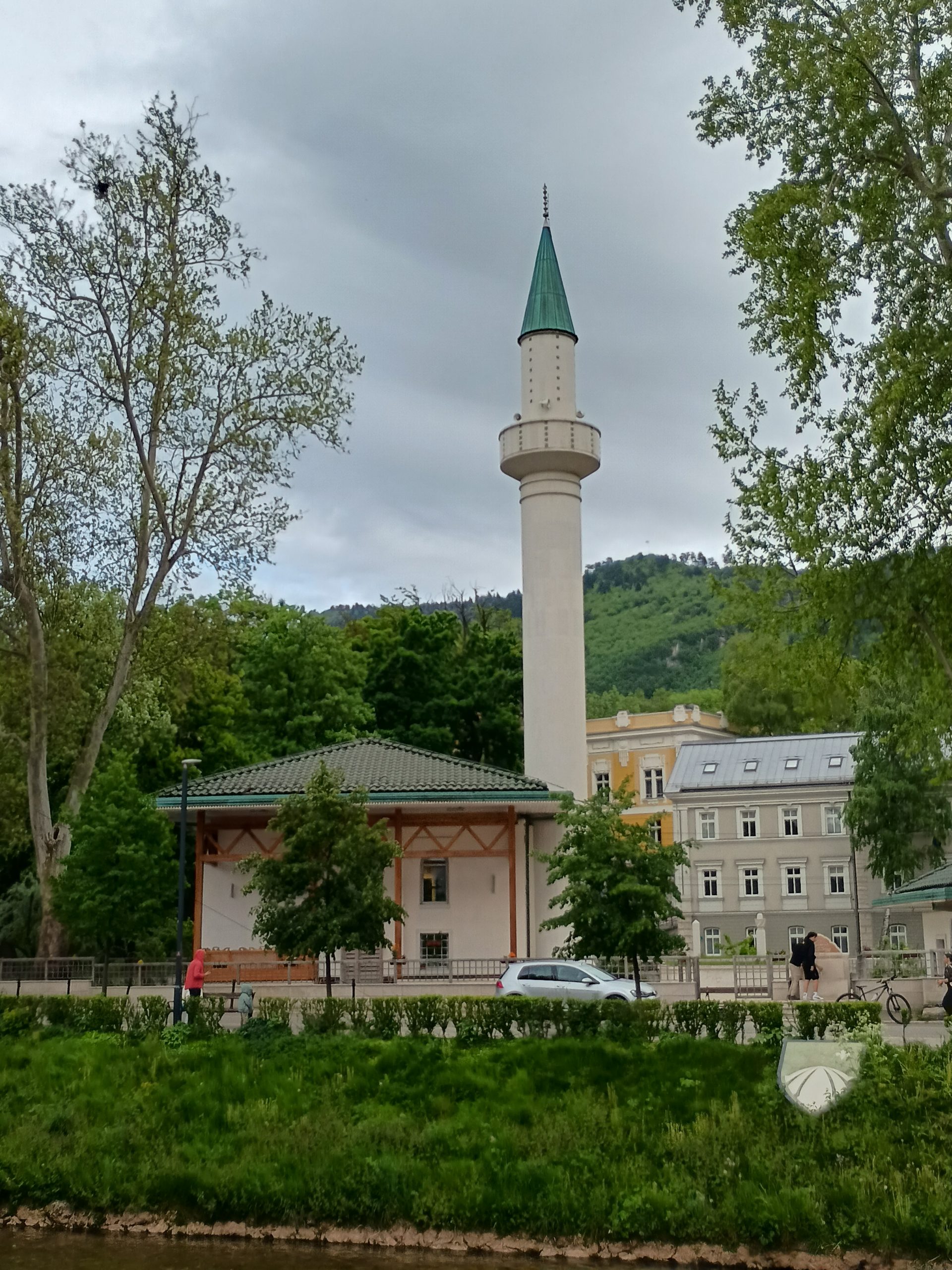
Walking again along the Miljacka River while discussing its future role within the urban fabric of the city gave an even deeper meaning to the entire experience. The river is not only a physical element of Sarajevo: it is part of its narrative, its memory, and its everyday life. Reflecting collectively on how to reconnect the city with its river felt like contributing, even in a small way, to a broader vision of urban regeneration centered on people, culture, and quality of life.
Experiences like this remind us that international cooperation is not only about policies and projects. It is also about building relationships, sharing perspectives, and creating communities of professionals capable of learning from one another.
I leave Sarajevo once again with gratitude: for the inspiring discussions, for the exceptional people I had the chance to meet and work with, and for the unique feeling that this city always manages to leave with me.